
Cut-Resistant Gloves
ANSI Cut Level Gloves for Industrial Hand Protection
Liberty Safety offers a comprehensive range of cut‑resistant gloves engineered to protect workers across diverse industrial environments. Our gloves are designed to defend against common workplace hazards—including cuts, lacerations, abrasions, and punctures—helping maintain productivity and reduce injury risks. Choose from a wide selection of cut-resistant gloves, available in multiple materials, coatings, and performance levels to match the specific needs of your work environment. Understanding ANSI/ISEA 105 Cut Protection Standards The ANSI/ISEA 105 standard classifies and tests hand protection based on…
Liberty Safety offers a comprehensive range of cut‑resistant gloves engineered to protect workers across diverse industrial environments. Our gloves are designed to defend against common workplace hazards—including cuts, lacerations, abrasions, and punctures—helping maintain productivity and reduce injury risks.
Choose from a wide selection of cut-resistant gloves, available in multiple materials, coatings, and performance levels to match the specific needs of your work environment.
Understanding ANSI/ISEA 105 Cut Protection Standards
The ANSI/ISEA 105 standard classifies and tests hand protection based on mechanical, chemical, and performance characteristics. This includes:
- Cut resistance
- Puncture resistance
- Abrasion resistance
- Chemical permeation and degradation
- Ignition resistance and vibration reduction
Knowing these ratings is essential when selecting the correct glove for your application.
There are two key areas of focus:
1. Cut‑Resistance Ratings (A1–A9)
ANSI uses a single standardized test method to classify cut resistance across nine levels. These levels indicate how many grams of cutting load a glove can withstand before being penetrated by a sharp blade.
2. Needle Puncture Resistance
This rating is especially important for medical, recycling, sanitation, and law‑enforcement applications. Testing uses a 25mm hypodermic needle to measure resistance to fine‑point punctures.
Choosing the Right Cut‑Resistant Glove
Selecting the proper glove depends on the hazards your workers face. Factors to consider include:
- Required cut level (nuisance, moderate, high, or extreme)
- Need for puncture, heat, or abrasion resistance
- Grip performance in wet, oily, or dry conditions
- Comfort, dexterity, and material preferences
Liberty Safety offers cut‑resistant gloves in a variety of materials—including engineered yarns, Kevlar®, and canvas—to ensure the right balance of protection and performance.
If you need help selecting the best glove for your application, our knowledgeable representatives are ready to assist.
Showing 1–20 of 34 results
-
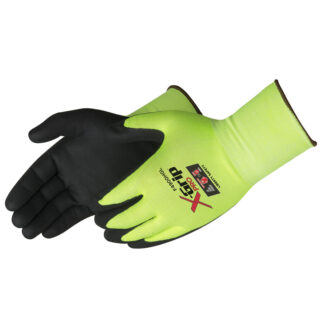 F4900HG
X-GRIP™ PRO
ANSI A2 Black Microfoam Nitrile Cut Resistant Gloves

-
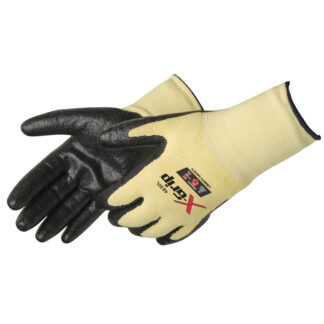 4830
4830X-Grip®
ANSI A2 Black Nitrile Cut Resistant Gloves
-
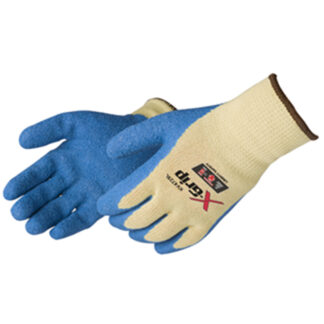 KV4729
X-Grip®
ANSI A2 Blue Latex Cut Resistant Gloves
-
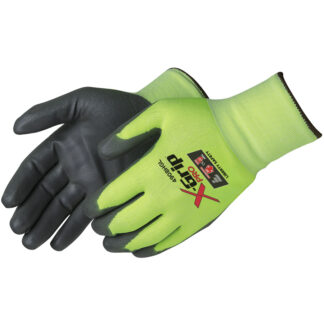 4908HG
X-Grip™ PRO
ANSI A2 Gray Polyurethane Cut Resistant Gloves
-
 A4938
A4938X-Grip™ PRO
ANSI A2 Gray Polyurethane Cut Resistant Gloves
-
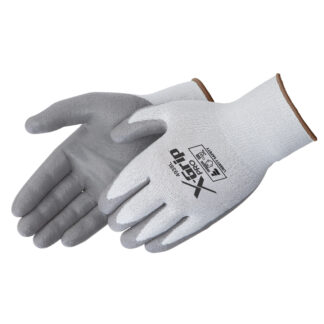 4938
4938X-Grip™ PRO
ANSI A2 Gray Polyurethane Cut Resistant Gloves
-
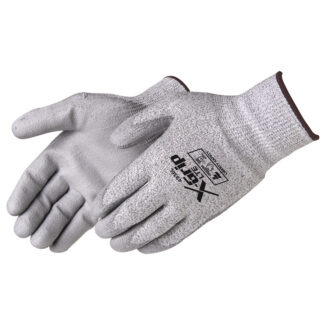 4936
4936X-Grip™ LTE
ANSI A2 Gray Polyurethane Cut Resistant Gloves
-
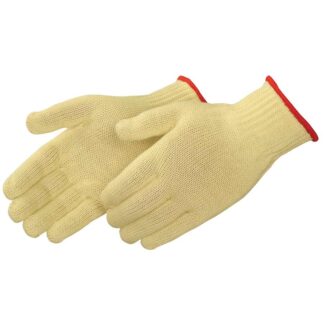 4817
4817Kevlar® Gloves
ANSI A2 Kevlar Knit Cut Resistant Gloves
-
4817Q
Kevlar® Gloves
ANSI A2 Kevlar Knit Cut Resistant Gloves
-
4817KC
Kevlar® Gloves
ANSI A2 Kevlar Knit Cut Resistant Gloves
-
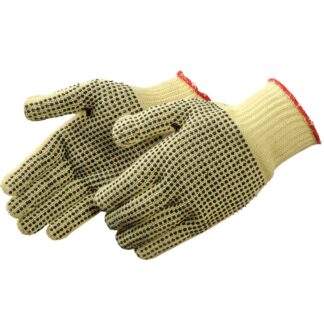 4815KC
Kevlar® Gloves
ANSI A2 Kevlar Knit Cut Resistant Gloves
-
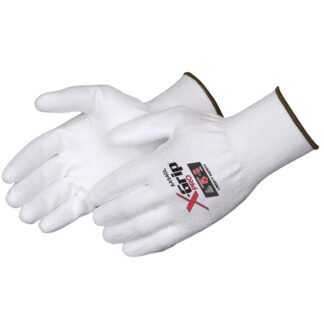 A4940
A4940X-Grip™ PRO
ANSI A2 White Polyurethane Cut Resistant Gloves
-
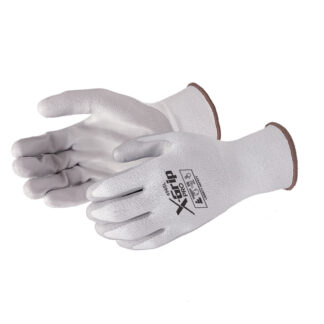 4965
4965X-Grip™ PRO
ANSI A3 Gray Polyurethane Cut Resistant Gloves
-
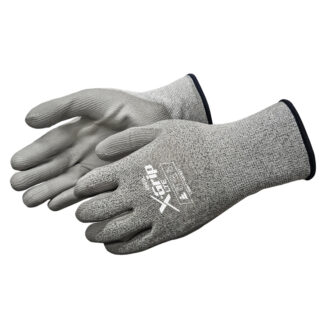 4968
4968X-Grip™ LTE
ANSI A3 Gray Polyurethane Cut Resistant Gloves
-
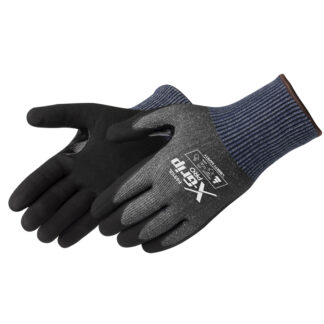 F4910
F4910X-Grip™ Pro
ANSI A4 Black Micro Foam Nitrile Cut Resistant Gloves
-
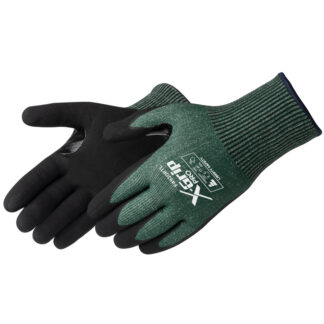 F4920RT
X-Grip™ Pro
ANSI A4 Black Microfoam Nitrile Cut Resistant Gloves
-
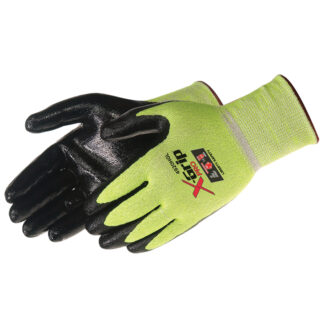 4920HG
X-Grip™ Pro
ANSI A4 Black Nitrile Cut Resistant Gloves
-
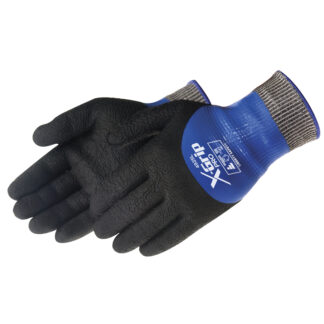 4925
4925X-Grip™ Pro
ANSI A4 Blue Nitrile Cut Resistant Gloves
-
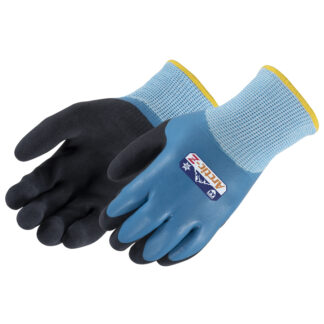 F4922
F4922Arctic-Z™
ANSI A4 Fully Blue Latex Coated Cut Resistant Gloves
-
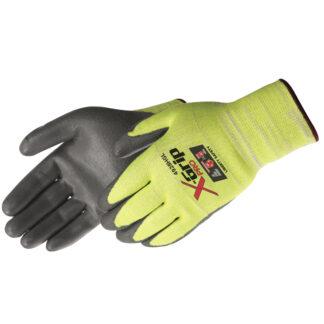 4928HG
X-Grip™ Pro
ANSI A4 Gray Polyurethane Cut Resistant Gloves
FAQ
The gauge of a glove indicates the number of knitting needles or stitches per square inch. As the number of stitches increases, so does the gauge, resulting in a thinner glove. Gloves with higher gauges offer better dexterity and comfort. An added benefit of a higher-gauge glove is that it provides a high level of tactility, and therefore, it will be easier to do specific jobs that require fine-tuning skills.
Conversely, when there are fewer stitches per inch of yarn, the yarn is thicker, and thus the glove is thicker. For example, a 7-gauge glove is less dexterous and flexible than an 18-gauge glove. If the task at hand requires fine-tuning skills, this is an issue. However, if the job requires heavy lifting that includes sharp and abrasive objects, selecting a lower-gauge glove may be advantageous.
Understanding the gauge is crucial in selecting gloves tailored to the specific demands of the job at hand.
Cut-resistant gloves vary in their resistance and strength. The higher the cut level, the more heavy-duty and cut-resistant the glove is. The ANSI/ISEA 105-2016 standard, set by the American National Standard Institute, features a nine-level scale, offering a quick guide to identifying the suitable cut-resistant gloves needed based on the task at hand.
At Liberty Safety, all our cut-resistant gloves undergo third-party testing and certification. This ensures that our cut-resistant gloves consistently meet the standards set for cut resistance.
Refer to the chart below for a visual representation of all nine cut levels, ranging from A2 to A9.
| ANSI/ISEA 105-2016 Cut Resistant Ratings |
| A1 – 200 gm, Light Cut Hazards |
| A2 – 500 gm, Light-Medium Cut Hazards |
| A3 – 1000 gm, Light-Medium Cut Hazards |
| A4 – 1500 gm, Medium Cut Hazards |
| A5 – 2200 gm, Medium-High Cut Hazards |
| A6 – 3000 gm, High Cut Hazards |
| A7 – 4000 gm, High Cut Hazards |
| A8 – 5000 gm, High Cut Hazards |
| A9 – 6000 gm, High Cut Hazards |
The replacement frequency of cut-resistant gloves depends on several factors, including the intensity and duration of use, specific tasks involved, and the materials the gloves are made of. As a general guideline, conduct the following regular inspections to ensure the integrity of your gloves.
- Visible Wear and Tear: Check gloves routinely for noticeable signs of wear and tear, such as holes, cuts, or abrasions. If any damage is detected, it’s advisable to replace the gloves promptly.
- Coating Integrity: A more subtle sign that it may be time to replace your gloves is that the coating has worn off. This can often be identified if the material of your glove feels thinner than when you first got it or if the material begins to feel more abrasive to the touch.
- Stains and Contamination: While dirt and stains are common, your gloves should not retain excessive amounts of contaminants after washing. If gloves remain heavily soiled with dirt, chemicals, oil, or other substances, it’s a clear signal to invest in a new pair of cut-resistant work gloves.
Being attentive to these indicators ensures that your cut-resistant gloves deliver optimal protection and maintain their protective integrity while on the job.
Palm coatings do not directly increase cut resistance; however, they provide improved grip, reducing the likelihood of slips with sharp objects and, thus, potentially fewer opportunities for cuts. Palm coatings can also help extend the life of the shell.
Yes, cut-resistant gloves can usually be washed. However, it’s important to follow the manufacturer’s guidelines for industrial laundering instructions. It is recommended to hand wash them using mild detergent and lukewarm water, and then air dry. Avoid using bleach or harsh chemicals that may compromise the integrity of the gloves.
Showing 1–20 of 34 results