
Cut-Resistant Gloves
Liberty Safety provides a full range of cut‑resistant gloves engineered to protect workers across demanding industrial environments. Built to guard against cuts, lacerations, abrasions, and punctures, our gloves help reduce injury risks while supporting productivity on the job. With multiple materials, palm coatings, and ANSI performance levels available, you can select the right glove tailored to the specific hazards and precision requirements of your work environment.
Liberty Safety provides a full range of cut‑resistant gloves engineered to protect workers across demanding industrial environments. Built to guard against cuts, lacerations, abrasions, and punctures, our gloves help reduce injury risks while supporting productivity on the job. With multiple materials, palm coatings, and ANSI performance levels available, you can select the right glove tailored to the specific hazards and precision requirements of your work environment.
Showing 1–20 of 33 results
-
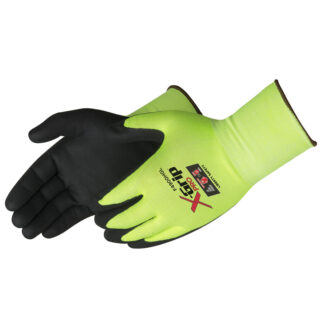 F4900HG
X-GRIP™ PRO
ANSI A2 Black Microfoam Nitrile Cut Resistant Gloves

-
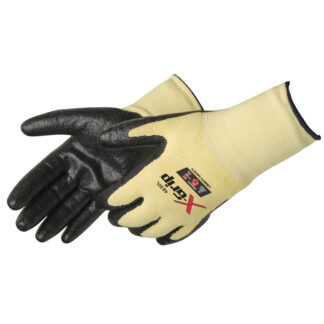 4830
4830X-Grip®
ANSI A2 Black Nitrile Cut Resistant Gloves
-
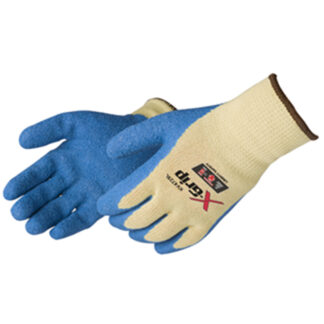 KV4729
X-Grip®
ANSI A2 Blue Latex Cut Resistant Gloves
-
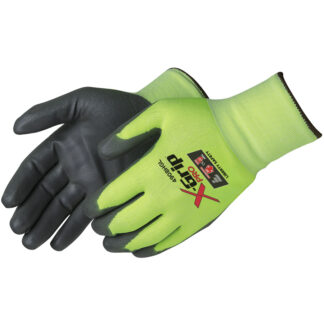 4908HG
X-Grip™ PRO
ANSI A2 Gray Polyurethane Cut Resistant Gloves
-
 A4938
A4938X-Grip™ PRO
ANSI A2 Gray Polyurethane Cut Resistant Gloves
-
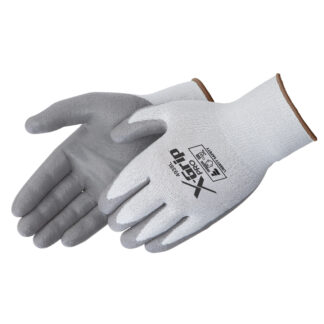 4938
4938X-Grip™ PRO
ANSI A2 Gray Polyurethane Cut Resistant Gloves
-
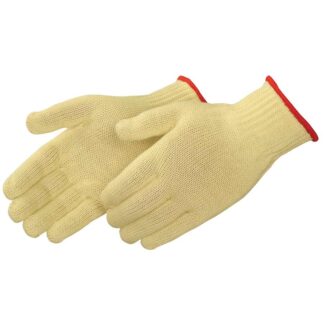 4817
4817Kevlar® Gloves
ANSI A2 Kevlar Knit Cut Resistant Gloves
-
4817Q
Kevlar® Gloves
ANSI A2 Kevlar Knit Cut Resistant Gloves
-
4817KC
Kevlar® Gloves
ANSI A2 Kevlar Knit Cut Resistant Gloves
-
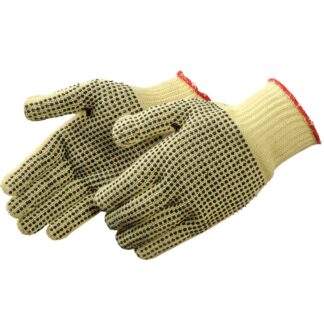 4815KC
Kevlar® Gloves
ANSI A2 Kevlar Knit Cut Resistant Gloves
-
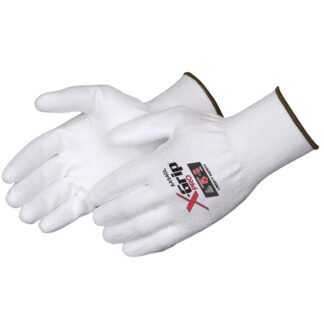 A4940
A4940X-Grip™ PRO
ANSI A2 White Polyurethane Cut Resistant Gloves
-
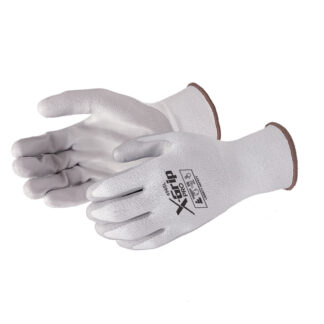 4965
4965X-Grip™ PRO
ANSI A3 Gray Polyurethane Cut Resistant Gloves
-
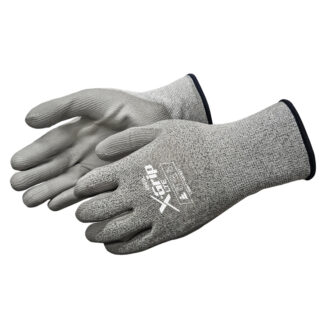 4968
4968X-Grip™ LTE
ANSI A3 Gray Polyurethane Cut Resistant Gloves
-
4987
Kevlar® Gloves
ANSI A4 Ata®/Lycra Cut Resistant Gloves
-
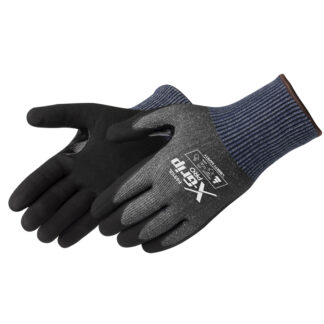 F4910
F4910X-Grip™ Pro
ANSI A4 Black Micro Foam Nitrile Cut Resistant Gloves
-
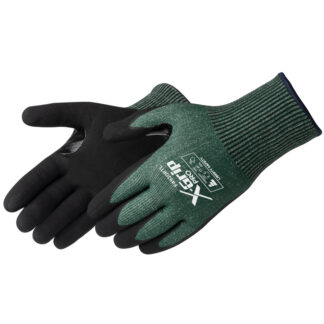 F4920RT
X-Grip™ Pro
ANSI A4 Black Microfoam Nitrile Cut Resistant Gloves
-
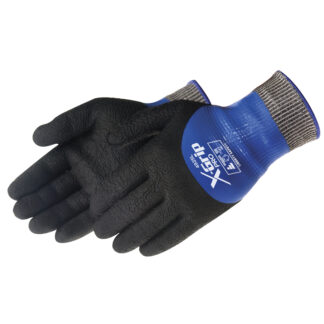 4925
4925X-Grip™ Pro
ANSI A4 Blue Nitrile Cut Resistant Gloves
-
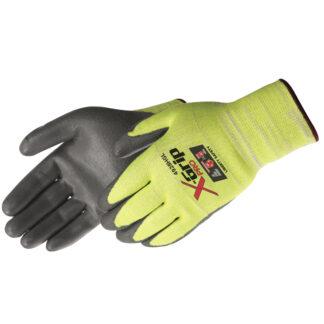 4928HG
X-Grip™ Pro
ANSI A4 Gray Polyurethane Cut Resistant Gloves
-
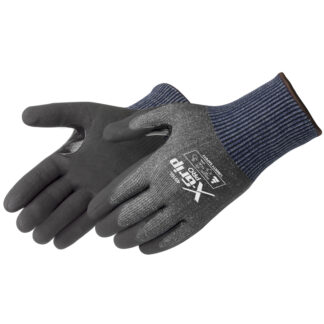 4916
4916X-Grip™ Pro
ANSI A4 Gray Polyurethane Cut Resistant Gloves
-
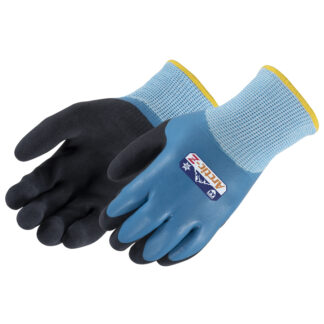 F4922
F4922Arctic-Z™
ANSI A4 Insulated Cut Resistant Gloves
FAQ
The gauge of a glove refers to how many knitting needles or stitches are used per inch of material. A higher gauge means more stitches and a finer yarn, resulting in a thinner, lighter glove. These higher‑gauge gloves, such as 15 or 18‑gauge styles, provide excellent dexterity, flexibility, and tactility, making them ideal for tasks that require precision or detailed hand movements.
Lower‑gauge gloves use fewer stitches and thicker yarn, which creates a heavier, more robust glove. For example, a 7‑gauge glove is thicker and less flexible than an 18‑gauge glove. While this reduces dexterity, it increases durability and protection, making lower‑gauge gloves a better choice for heavy lifting, handling sharp or abrasive materials, or jobs where impact resistance matters more than fine motor control.
Understanding glove gauge helps you choose the right balance of comfort, dexterity, and protection for the specific job you’re performing.
Cut‑resistant gloves are graded by how well they protect against cuts, slices, and sharp edges. The higher the cut level, the stronger and more heavy‑duty the glove is. In the U.S., cut resistance is measured using the ANSI/ISEA 105 standard, which assigns gloves a cut rating from A1 to A9. This nine‑level scale makes it easy to match the right glove to the hazards of your specific task.
At Liberty Safety, all cut‑resistant gloves are third‑party tested and certified, ensuring they consistently meet ANSI performance requirements.
Here’s a quick overview of the ANSI cut levels:
- A1–A2 — Light cut protection for general handling
- A3–A4 — Moderate protection for tasks with occasional sharp edges
- A5–A6 — High protection for frequent contact with sharp or abrasive materials
- A7–A9 — Extreme protection for heavy‑duty industrial applications
For a full visual breakdown, refer to the chart below showing all nine cut levels from A1 through A9.
| ANSI/ISEA 105-2016 Cut Resistant Ratings |
| A1 – 200 gm, Light Cut Hazards |
| A2 – 500 gm, Light-Medium Cut Hazards |
| A3 – 1000 gm, Light-Medium Cut Hazards |
| A4 – 1500 gm, Medium Cut Hazards |
| A5 – 2200 gm, Medium-High Cut Hazards |
| A6 – 3000 gm, High Cut Hazards |
| A7 – 4000 gm, High Cut Hazards |
| A8 – 5000 gm, High Cut Hazards |
| A9 – 6000 gm, High Cut Hazards |
The lifespan of cut‑resistant gloves depends on how often they’re used, the type of work being performed, and the materials the gloves are made from. Instead of replacing gloves on a fixed schedule, it’s best to inspect them regularly and look for signs that their protection may be compromised.
Here are the key indicators to watch for:
- Visible Wear — Check for holes, thinning areas, cuts, abrasions, or frayed fibers. Any visible damage means the glove should be replaced immediately.
- Coating Breakdown — If the glove’s coating feels noticeably thinner, rougher, or uneven compared to when it was new, it’s a sign the protective layer is wearing off. Reduced coating often leads to reduced grip and lower cut resistance.
- Stains or Contamination — Gloves that remain heavily soiled after washing—especially with chemicals, oils, or other hazardous substances—should be replaced. Persistent contamination can weaken glove fibers and reduce protection.
Staying attentive to these signs ensures your cut‑resistant gloves continue to provide reliable protection and maintain their performance on the job.
Palm coatings do not directly increase a glove’s cut‑resistant rating. The cut protection comes from the glove’s yarn and construction, not the coating itself. However, palm coatings do offer important performance benefits that can help reduce the risk of cuts during use.
Here’s how coatings contribute to overall safety:
- Improved Grip — A secure grip reduces slipping when handling sharp tools or materials, which lowers the chance of accidental cuts.
- Extended Glove Life — Coatings help protect the glove shell from abrasion, wear, and puncture, allowing the glove to maintain its cut‑resistant performance longer.
- Better Control — Certain coatings (like nitrile or polyurethane) enhance tactility, giving users better control during precision tasks.
So while palm coatings don’t raise the glove’s official cut rating, they do enhance grip, durability, and overall performance—making your cut‑resistant gloves safer and more effective on the job.
Yes, most cut‑resistant gloves can be washed—but it’s important to follow the manufacturer’s care instructions to avoid damaging the fibers or reducing protection.
For general cleaning, follow these guidelines:
- Hand Washing — Use mild detergent and lukewarm water. Gently scrub and rinse to remove dirt and debris.
- Proper Drying — Air‑dry the gloves completely. Avoid machine drying, which can weaken or shrink certain materials.
- Avoid Harsh Chemicals — Do not use bleach, solvents, or strong detergents. These can break down the glove fibers and compromise cut resistance.
- Check Manufacturer Guidelines — Some gloves are approved for industrial laundering, while others require gentler care.
Following these steps helps maintain the glove’s protective integrity and ensures they last as long as possible.
Showing 1–20 of 33 results