
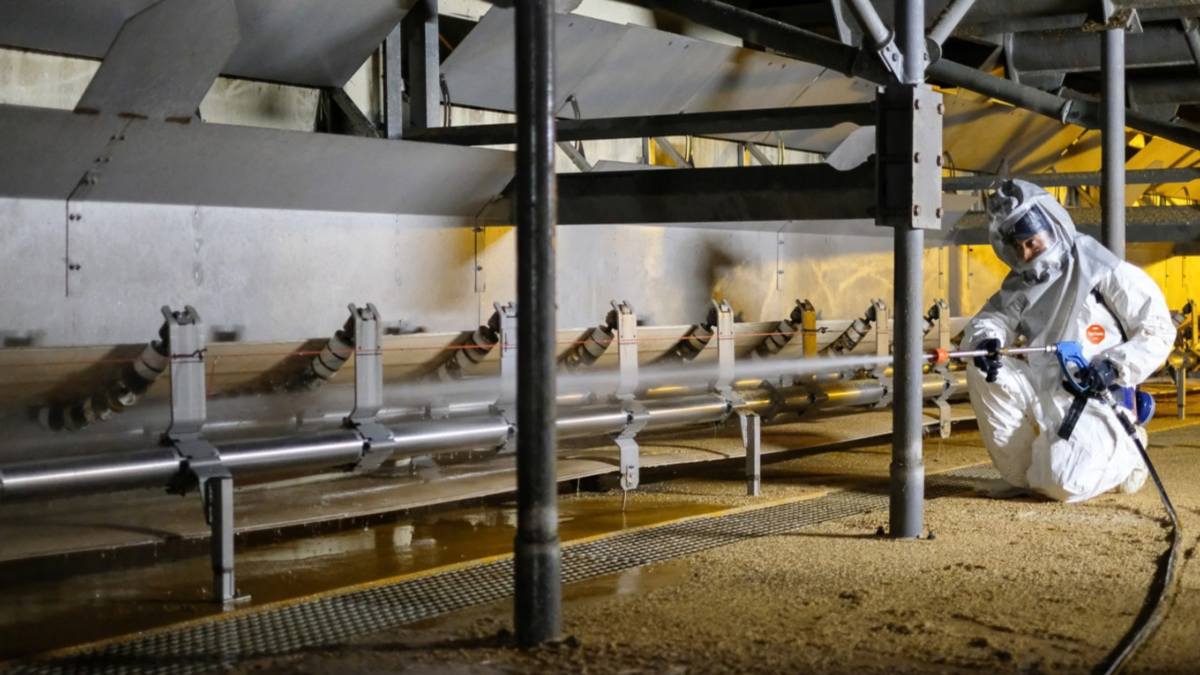
When an environmental emergency occurs, the focus is often on containing the hazard, protecting the public, and restoring operations. But before any cleanup, remediation, or spill-response effort can begin, workers must have protective apparel appropriate for the hazards they may encounter.
Environmental services professionals regularly work in unpredictable conditions involving hazardous chemicals, waste materials, biological contaminants, and unknown substances. From hazardous waste transportation and chemical processing to emergency spill response and site remediation, the risks can vary greatly from one job to the next.
Selecting the right protective garment isn’t just a matter of compliance. It is critical to worker safety and operational readiness.
What Hazards and Tasks Do Environmental Services Workers Encounter?
Today’s environmental services teams support a broad range of applications across industrial, municipal, and commercial settings.
These responsibilities often include:
- Hazardous waste handling and transportation
- Drum management and waste consolidation
- Chemical processing operations
- Site assessments and environmental remediation
- Industrial tank cleaning
- Contract cleaning services
- Spill response and containment
- Decontamination procedures
- Hazardous waste collection and disposal
As communities and industries continue to prioritize environmental stewardship and regulatory compliance, demand for safe, effective environmental services continues to grow. Workers must be prepared to respond quickly and safely while minimizing exposure to hazardous materials.
Why Does Seam Construction Matter in Chemical Protective Clothing?
During an emergency response event, workers may encounter unknown chemicals, liquids, particles, or contaminated environments. While garment fabric often gets the most attention, you must also evaluate the overall protective system.
One often-overlooked factor is seam construction, which can significantly impact a garment’s ability to help protect workers from exposure.
Seams are often the most vulnerable point in a protective garment. Even with a high-performing chemical barrier fabric, inadequate seam construction can reduce overall protection.
Always select the appropriate seam type based on the results of a hazard assessment and the level of exposure risk associated with the task.
Serged Seams
Serged seams use basic stitched construction and are generally suitable for lower-risk environments where limited exposure is anticipated.
Available in:
- Tychem® 2000 garments
Bound Seams
Bound seams feature stitched construction reinforced with an outer fabric binding. This design provides added durability and enhanced protection compared to standard stitched seams.
Available in:
- Tychem® 2000 garments
- Tychem® 4000 garments
Taped Seams
Taped seams combine stitched construction with heat-sealed tape that helps block liquids and particles from penetrating the seam.
This seam style offers enhanced protection and durability, making it well-suited for applications with higher exposure risks, such as chemical spill response, decontamination operations, and hazardous waste cleanup.
Available in:
- Tychem® 2000 garments
- Tychem® 4000 garments
- Tychem® 6000 garments
Tychem® Solutions for Environmental Response & Cleanup Operations
Whether responding to a chemical spill, conducting hazardous waste cleanup, managing decontamination activities, or supporting environmental remediation efforts, choosing the appropriate garment depends on the task, exposure potential, and level of protection required.
| Product Family | Style | Garment Features | Seam Construction | Color |
|---|---|---|---|---|
| Tychem® 2000 | QC127 | Hooded coverall with elastic wrists and ankles | Serged (S), Bound (B) or Taped (T) | Yellow |
| Tychem® 2000 | QC275 | Sleeved Apron | Bound(B) or Taped (T) | Yellow |
| Tychem® 4000 | SL127 | Hooded coverall with elastic wrists and ankles | Bound(B) or Taped (T) | White |
| Tychem® 4000 | SL275 | Sleeved Apron | Taped (T) | White |
| Tychem® 6000 | TF145 | Respirator-fit hooded coverall with elastic wrists and ankles | Taped (T) | Gray |
What Should Safety Professionals Evaluate Before Selecting a Protective Garment?
Emergency response situations rarely happen under ideal conditions. Whether responding to a chemical release, cleaning up hazardous waste, managing decontamination operations, or supporting environmental remediation projects, workers must be confident their protective apparel can meet the task’s challenges.
By understanding both fabric performance and seam construction, safety professionals can make more informed decisions when selecting protective garments for their teams.
The right protection helps support worker safety, regulatory compliance, and operational readiness when it matters most.
Need Help Selecting the Right Tychem® Solution?
Explore Liberty Safety’s selection of DuPont™ Tychem® protective apparel or contact our team for product recommendations based on your specific hazards and work environment.