Posted on

Giving Tyvek® Protective Apparel a Second Life: How the DuPont™ Tyvek® Recycling Program Helps Reduce Waste

In facilities across the country, DuPont™ Tyvek® protective apparel helps workers stay protected in environments where contamination control, particle protection, and workplace safety are essential. But what happens after those garments have served their purpose?

For qualifying organizations, disposal doesn’t have to be the only option.

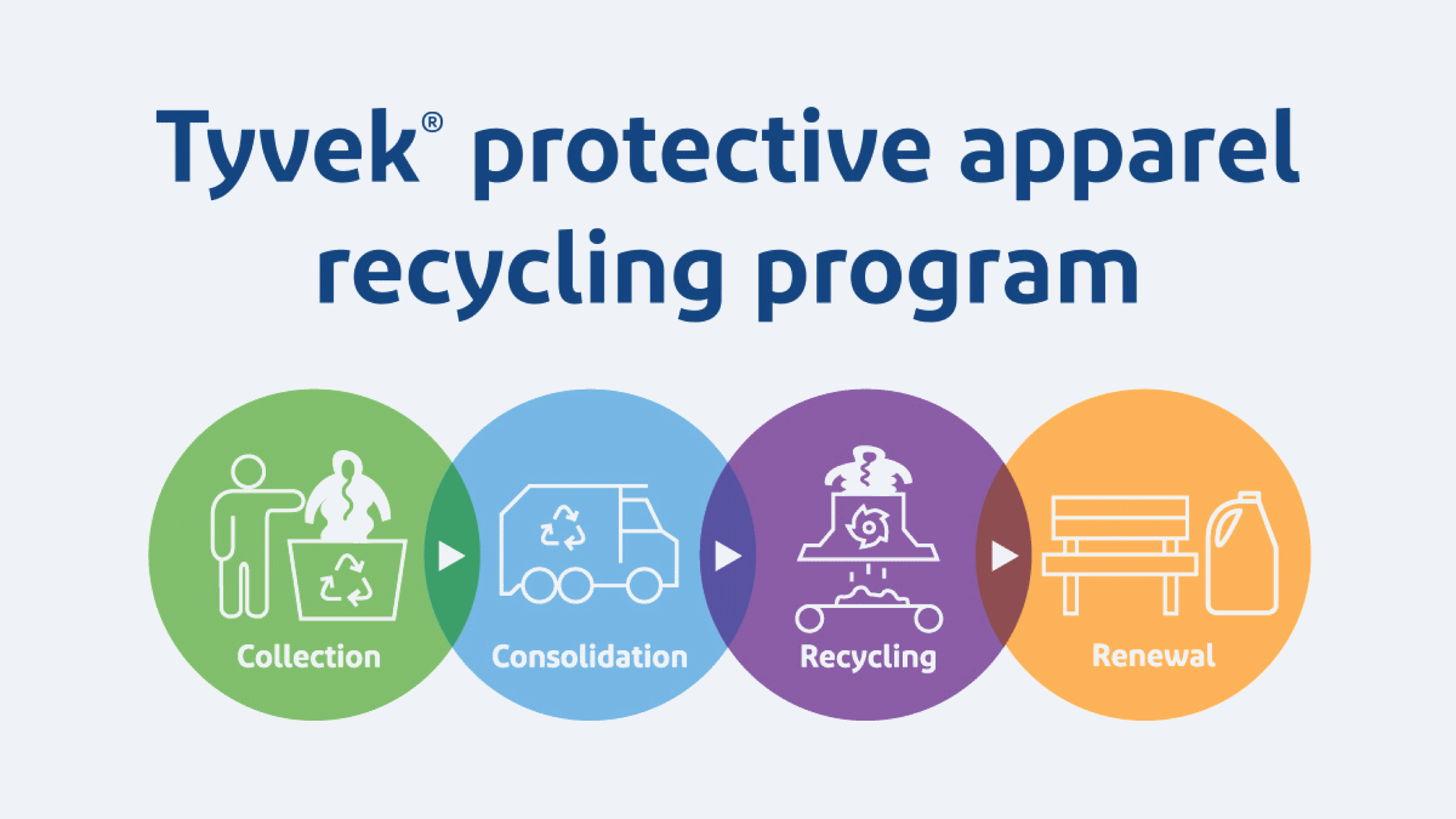
The DuPont™ Tyvek® Protective Apparel Recycling Program gives used Tyvek® and Tyvek® IsoClean® garments a second life by diverting them from landfills and recycling them into durable, practical products.

Giving Used Tyvek® Garments a Second Life

Rather than sending used garments to a landfill, participating organizations can collect and recycle qualifying Tyvek® apparel through DuPont’s recycling program.

Once processed, the recycled material can be transformed into products such as:

  • Lumber pallets
  • Park benches
  • Shipping and storage containers
  • Landscape timbers
  • Dunnage and other non-apparel applications

For every case of 25 Tyvek® coveralls recycled, approximately 10 pounds of HDPE are diverted from the waste stream and put back to work in new products.

How the Program Works

The DuPont™ Tyvek® Recycling Program is designed to be simple for qualifying end users.

The program includes:

  • Program setup
  • Collection guidance
  • Transportation
  • Storage
  • Recycling services

Participating garments are collected onsite and shipped to a DuPont recycling partner, where the material is processed and repurposed into new applications.

Customer Spotlight: How Curium Reduced Waste Through Recycling

One organization already seeing the benefits is Curium, a manufacturer and supplier of nuclear medicine products.

Curium uses more than 1,400 DuPont™ Tyvek® garments every month throughout its laboratories and manufacturing facilities.

According to Brian Ferris, Senior EHS Specialist at Curium: “We were excited that the program is a no-cost operation and keeps the garments out of landfills.”

To make recycling part of everyday operations, Curium implemented designated collection containers for used garments. Once collected, garments are placed into recycling containers provided through the program and shipped to a DuPont recycling partner at no cost.

The results went beyond simply diverting waste.

Ferris explained: “We have less transportation steps, and our frequency of trash pickup at a designated building has been reduced from five days a week to two.”

By participating in the program, Curium streamlined waste handling, improved operational efficiency, and helped keep hundreds of garments out of landfills every month.

Why Organizations Participate

For qualifying facilities, the recycling program may help:

  • Reduce landfill-bound waste
  • Lower waste-related handling and disposal costs
  • Increase eligibility for grants and incentives
  • Contribute toward ISO 14001 initiatives
  • Increase employee engagement around environmental initiatives

Does Your Facility Qualify?

Organizations may be eligible if they:

  • Have facilities based within the continental United States
  • Use at least 300 cases (or 7,500 garments) of qualifying Tyvek® or Tyvek® IsoClean® coveralls annually
  • Use eligible Tyvek® products with part numbers that start with “TY” or “IC”
  • Have used garments that are free from hazardous contamination, oils, or not designated as a DOT-regulated hazardous material and/or an EPA/State/Local regulated waste

Learn More

The DuPont™ Tyvek® Protective Apparel Recycling Program enables qualifying facilities to reduce waste and give used protective garments a second life.

Interested in finding out if your facility qualifies?

Call 1-800-931-3456 or visit personalprotection.dupont.com.

Posted on

Understanding Secondary FR (SFR) Protective Garments

In industrial environments where fire, arc flash, chemicals, and particulates pose serious risks, choosing the right protective clothing isn’t optional; it’s essential. Flame‑resistant protection relies on a layered system, and at the core of that system are two distinct categories of garments: primary flame‑resistant (FR) clothing and secondary flame‑resistant (SFR) clothing. Each plays a unique role in keeping workers safe.

Primary FR Clothing

Primary FR garments are engineered to provide stand‑alone protection against flame and arc hazards. These garments help reduce burn injury in the event of a flash fire or electric arc exposure—even when worn alone.

They serve as the worker’s main barrier in environments where flame protection is required. Whether it’s a refinery, utility site, chemical plant, or manufacturing facility, primary FR clothing forms the foundational layer of safety.

Secondary FR Clothing

Secondary FR garments serve a different, but equally important, purpose. These garments are designed to shield against particulate and liquid chemical hazards while ensuring they do not compromise the burn performance of the primary FR clothing underneath.

Because secondary FR garments are not intended to provide flame protection on their own, they must always be worn over appropriate primary FR clothing in any environment where flame hazards are present.

Secondary FR garments function as part of a complete protective system, working alongside additional PPE for the head, face, hands, and feet to ensure full‑body safety.

Why Secondary FR (SFR) Matters

In many industrial settings, workers face multiple hazards at once. A flash‑fire risk may coexist with chemical splash exposure. Arc‑flash hazards may be present alongside airborne particulates.

Secondary FR garments allow workers to maintain the flame‑resistant integrity of their primary FR clothing while adding targeted protection against these additional hazards. Without a proper secondary layer, workers may unintentionally compromise the performance of their FR gear.

When to Use Secondary FR Garments

Secondary FR garments are essential in environments where workers may encounter:

  • Chemical splashes or sprays
  • Liquid hazards
  • Airborne particulates
  • Contaminants that could saturate or damage primary FR clothing
  • Tasks requiring disposable or limited‑use protective layers

They are especially valuable in industries such as chemical processing, utilities, oil & gas, manufacturing, and hazardous materials handling.

Featured DuPont™ PPE

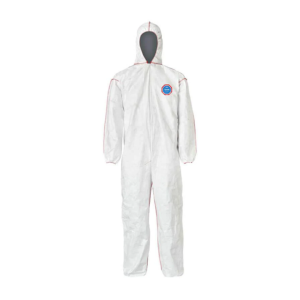
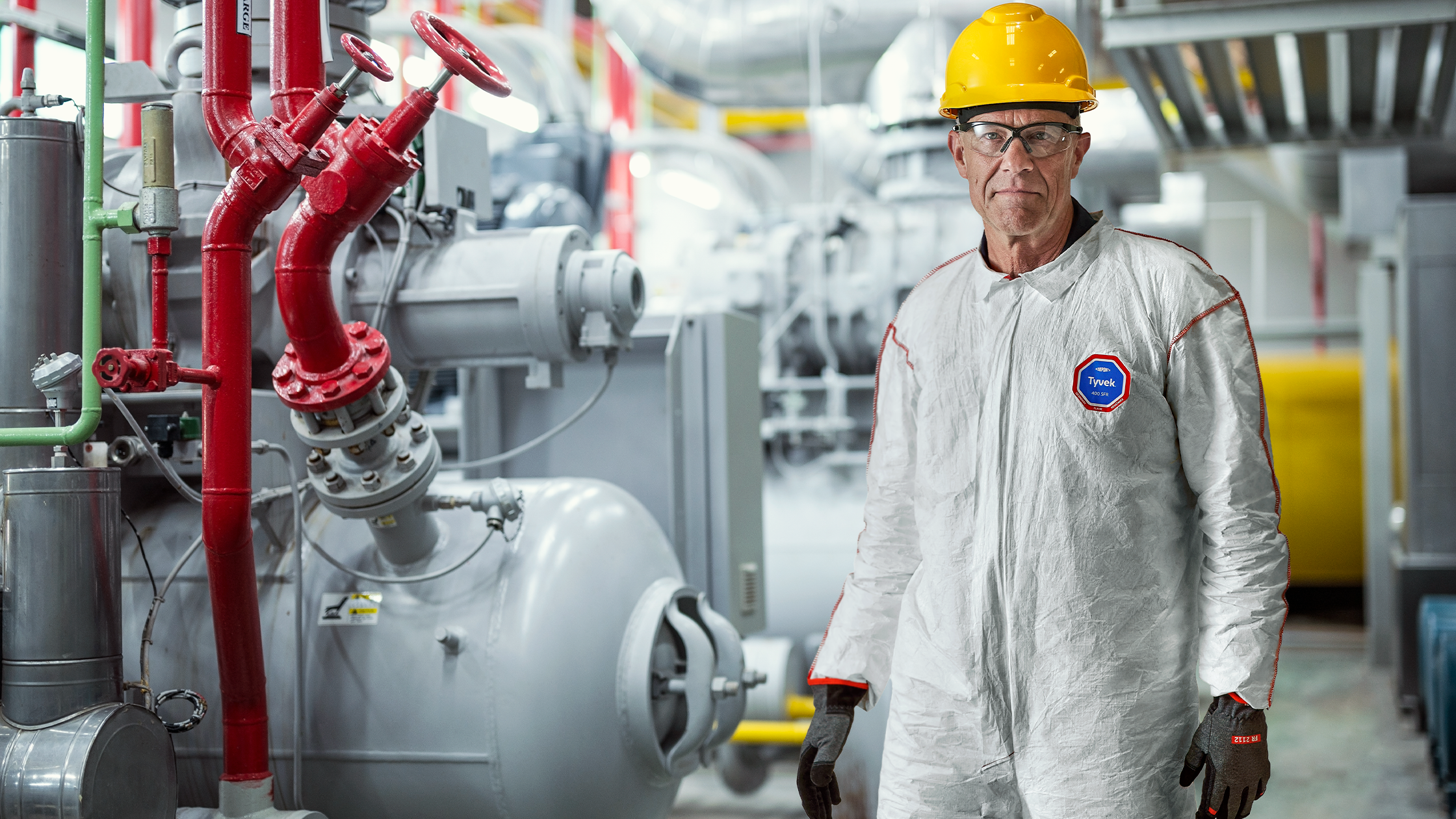
DuPont™ Tyvek® 400 SFR

Garment Details

  • Patent-pending design.
  • Red detailing includes red external stitched seams, red zipper, and red chest patch border.
  • Relaxed-fit coverall design features a diamond gusset crotch for unrestricted movement and an optimal fit when worn beneath primary flame-resistant protective clothing.
  • Available in hooded coverall, hooded coverall with attached socks, and non-hooded coverall styles

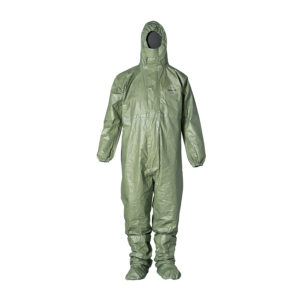
DuPont™ Tychem® 2000 SFR

Garment Details

  • Respirator-fit hood with covered elastic face opening​.
  • Chin flap with double-sided adhesive tape​.
  • The double storm flap covers the zipper and can be sealed by the wearer with a double-sided adhesive strip to prevent intrusion at the zipper.​
  • Covered elastic openings at wrists and ankles for tighter fit​.
  • Elastic at the sides of the waist for a better fit.
  • Taped seams provide strong chemical resistance against heavy liquid splashes. A sewn seam is covered with a strip of compatible chemical-resistant material through heat sealing.​
  • Pin-lock zipper prevents movement of the slider when the puller is in the down position, helping prevent the garment from unzipping while performing work.​
  • Meets the U.S. industry requirements for blood (ASTM F1670) and viral penetration (ASTM F1671), protecting against several bloodborne pathogen exposure risks.
  • Available in other garment styles including a sleeved apron and bib overall & jacket combo.

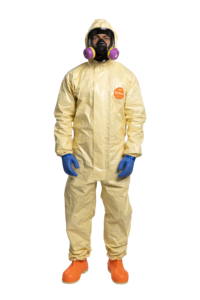
DuPont™ Tychem® 6000 SFR

Garment Details

  • Respirator-fit hood with covered elastic face opening​.
  • Chin flap with double-sided adhesive tape​.
  • Double storm flap covers zipper which can be sealed by the wearer with double-sided adhesive strip to prevent intrusion at zipper.​
  • Covered elastic openings at wrists and ankles for tighter fit​.
  • Elastic at sides of waist for better fit​.
  • Taped seams provide strong chemical resistance against heavy liquid splashes. A sewn seam is covered with a strip of compatible chemical-resistant material through heat sealing.​
  • Pin lock zipper prevents movement of the slider when puller is in the down position, helping to prevent garment from unzipping while performing work.​
  • Meets the U.S. industry requirements for blood (ASTM F1670) and viral penetration (ASTM F1671) protecting against several bloodborne pathogen exposure risks.
  • Available in other garment styles including a sleeved apron and bib overall & jacket combo.

Explore More with Liberty Safety

As your trusted source for PPE from DuPont Personal Protection, Liberty Safety is committed to advancing workplace safety. Explore our full range of DuPont protective apparel online or connect with one of our expert sales representatives for personalized guidance.

Your safety is our priority. It’s all part of our Freedom in Full Gear promise!

Posted on

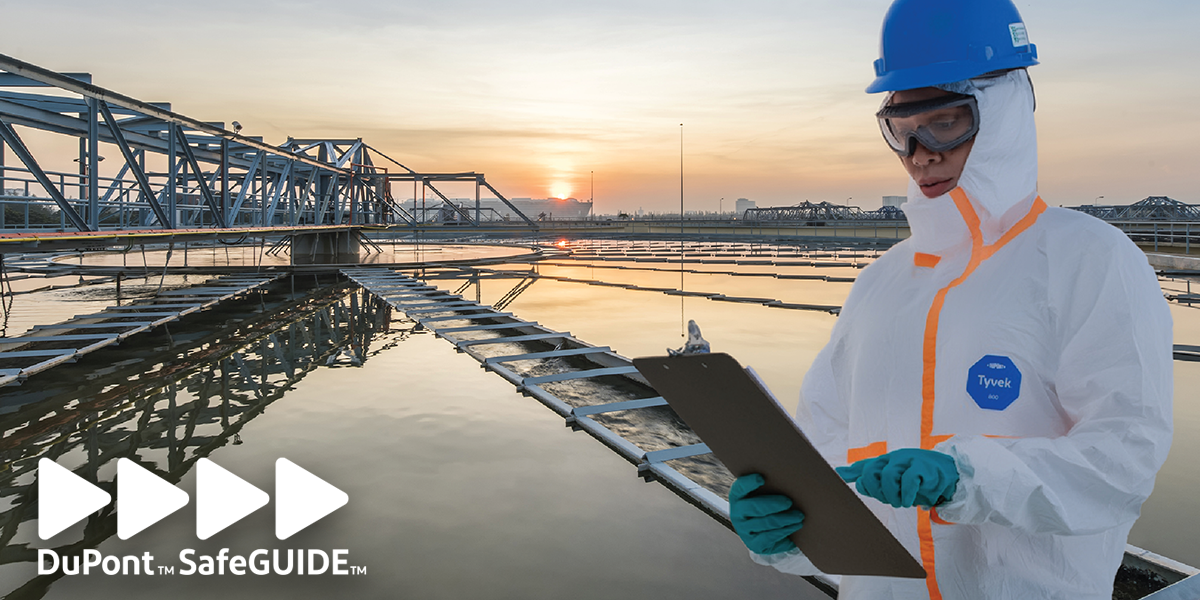
Introducing SafeGUIDE™: A Smarter, Standardized Approach to Chemical Protective Apparel Selection

Keeping workers safe starts with choosing the right protective apparel — but in environments with complex chemical hazards, that decision isn’t always straightforward. That’s where DuPont™ SafeGUIDE™ comes in. This innovative field assessment program brings clarity, consistency, and expert‑backed support to your PPE selection process, helping safety teams make confident, compliant decisions across multiple job sites.

What Is SafeGUIDE™?

SafeGUIDE™ is a customized, multi-tiered field assessment program designed to enhance and standardize the selection of chemical protective apparel. Every assessment is reviewed by DuPont’s team of Certified Industrial Hygienists (CIHs), helping to ensure alignment with the latest safety standards and best practices.

SafeGUIDE™ supports safety managers with expert hazard identification, risk assessment, and actionable suggestions— all tailored to each workplace’s unique needs.

How SafeGUIDE™ Works: A Four‑Step Process

1. Define

The process begins with a collaborative discussion to define the assessment scope based on your site’s specific hazards, tasks, and operational needs.

2. Assess

Subject matter experts (SMEs) conduct a thorough on‑site walk‑through, engaging directly with employees to understand real‑world conditions and develop a customized protective apparel selection process.

3. Analyze

All collected data is reviewed by a Certified Industrial Hygienist. Their analysis yields clear, actionable insights to strengthen your protective apparel decision‑making.

4. Guide

You receive a detailed report with protective apparel suggestions and ongoing support — which could include training and follow‑up visits to help navigate complex regulations and help maintain long‑term compliance.

Key Benefits of SafeGUIDE™

Consistency

Establishes a standardized approach to protective apparel selection, helping to ensure uniformity and regulatory compliance across multiple job sites.

Work Safety Support

Provides proactive safety measures that help prevent injuries and ensure workers are equipped with the right protective apparel for the hazards they face.

Cost‑Effectiveness

Streamlines processes, reduces reliance on external consultants, and helps organizations identify hazards early to avoid costly incidents.

Compliance

Equips your team with OSHA‑aligned documentation and job hazard analysis support, helping ensure your sites meet regulatory requirements with confidence.

Why SafeGUIDE™ Matters for Today’s Worksites

In industries where chemical exposure risks are high, PPE decisions can’t be left to guesswork. SafeGUIDE™ brings expert oversight, standardized processes, and data‑driven suggestions to your safety program — helping you protect your workforce while maintaining compliance and operational efficiency.

Whether you manage a single facility or multiple locations, SafeGUIDE™ delivers the clarity and consistency needed to elevate your protective apparel strategy.

Explore More With Liberty Safety

As your trusted source for PPE from DuPont Personal Protection, we are committed to advancing workplace safety. Explore our full range of DuPont protective apparel online or connect with one of our expert sales representatives.

Your safety is our priority. It’s all part of our Freedom in Full Gear promise!